
The Ultimate Heart and Diabetic Medicine
Magnesium helps control blood sugar and supports healthy insulin function. Getting enough magnesium is linked to a lower risk of diabetes, metabolic syndrome, high blood pressure, stroke, and heart disease.
Magnesium is essential for healthy control of blood vessel function, blood pressure regulation, and regular heart contractions. A deficiency in magnesium increases the risk of endothelial dysfunction, hypertension, and cardiac arrhythmias.

Your body needs magnesium for insulin to function well. When cellular magnesium levels drop, insulin resistance increases. Low serum and intracellular magnesium are also linked to impaired glucose tolerance and reduced insulin secretion.

Magnesium deficiencies feed the fires of inflammation and pain
Magnesium deficiency fuels chronic inflammation and worsens insulin resistance. In type 2 diabetes, this creates a vicious cycle where low magnesium increases insulin resistance, and insulin resistance further depletes magnesium. Chronic low-grade inflammation—common in metabolic syndrome—disrupts normal insulin function. At the core of these disruptions is magnesium, a key regulator of the cellular processes that drive inflammation.
Nothing is more important to understand and know than how to prevent and recover from cardiovascular disease (CVD).Magnesium restores the electrical and muscular balance of the cardiovascular system, thereby preventing spasms, arrhythmias, and inflammation.
Reversing a weakened heart and deep cleaning the vascular system were rare until recently. Now, there are natural and semi-natural drugs, devices, and holistic treatments that, when used effectively and intelligently, may reliably reverse a weakened heart and clean out plaque from blood vessels.

Reversing insulin resistance is the first step to reversing diabetes and heart disease. Magnesium improves insulin resistance, serum lipid profiles, and reduces inflammation, endothelial dysfunction, oxidative stress, and platelet aggregability.
Magnesium acts as a mild calcium antagonist on vascular smooth muscle tone and post-receptor insulin signaling; it is critically involved in energy metabolism, fatty acid synthesis, glucose utilization, ATPase functions, the release of neurotransmitters, and endothelial cell function and secretion. Magnesium has a significant impact on glucose metabolism and blood lipid levels.


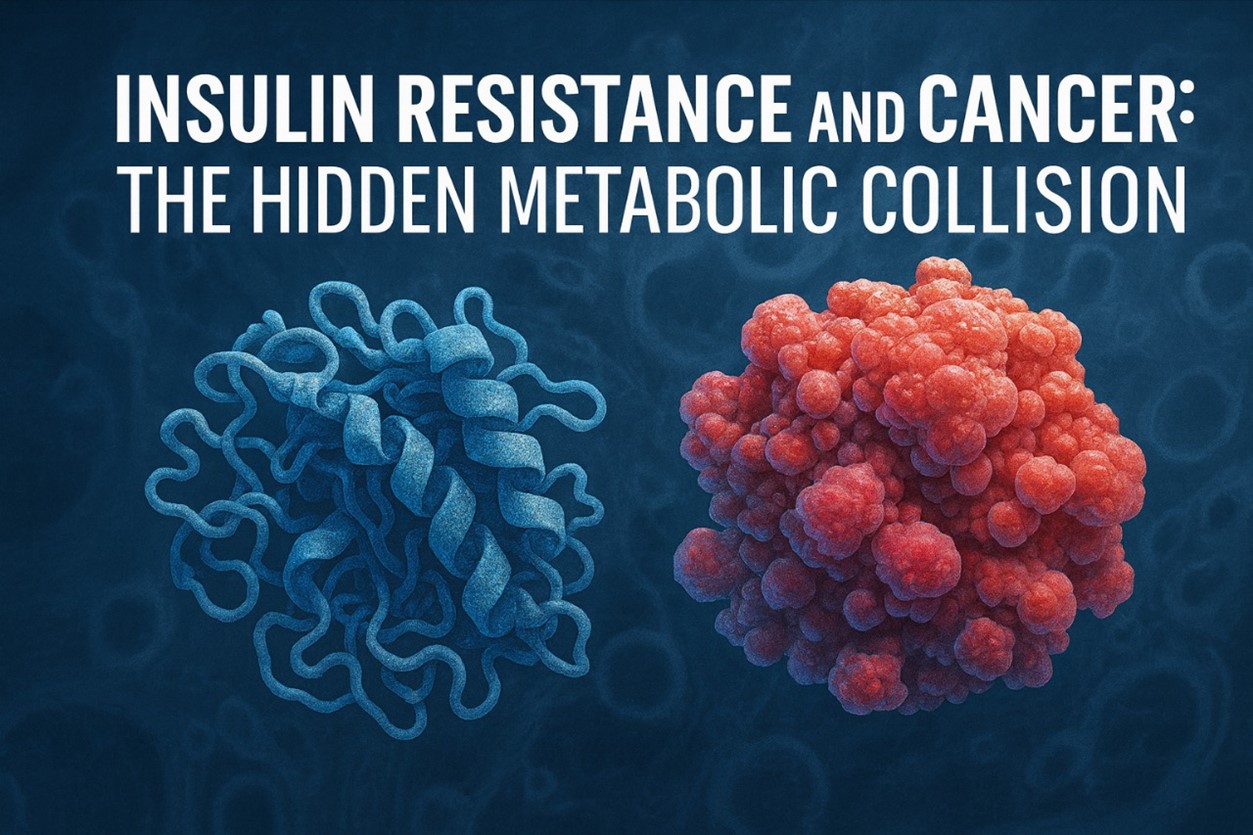
Every chronic disease in modern life—from heart failure to Alzheimer’s to cancer—can be traced back to one central storm: insulin resistance. It’s not just about blood sugar; it’s about cellular congestion, metabolic suffocation, and the slow corrosion of energy itself. This critical essay addresses a medical approach combining magnesium and PPC to treat insulin resistance at its most fundamental level.
Restore your balance naturally
Book an online consultation with Dr.Sircus, and discover how magnesium, iodine, hydrogen, oxygen, chlorine dioxide, selenium and key nutrients can help you heal from within.
Unclogging
Your
Arteries
e-Book
